Christian Graphics for Crafts: A Designer’s Review of the “No Worries” Asset
Initial Impression: Faith, Serenity, and Handmade Charm
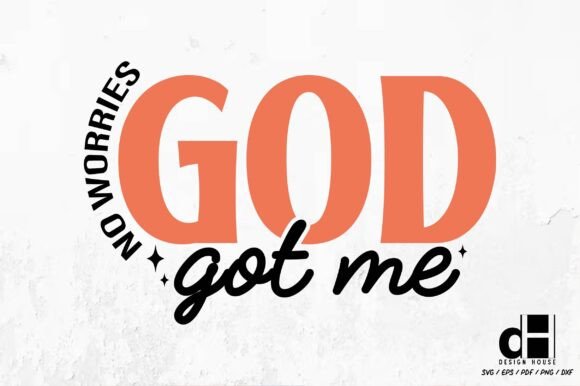
When evaluating a digital graphic design asset like the “Christian No Worries SVG PNG” for real client work, the first impression sets the tone. This asset immediately communicates a mood of serene trust and gentle optimism. The phrase “No Worries, God Got Me,” typically rendered in a relaxed handwritten or script style, carries a distinctly modern, heartfelt feel. It’s less formal than traditional religious typography and leans toward the aesthetic of contemporary handmade business or creative marketplace goods.
For a designer preparing a visual concept for, say, a small business specializing in faith-based crafts or a boutique product line of inspirational items, this design asset feels like a natural fit. It’s not corporate; it’s personal. It wouldn’t suit a minimalist, ultra-professional brand identity, but it shines for projects where emotional appeal and audience engagement are paramount—think Etsy shops, local event materials for a church group, or a seasonal campaign around comfort and hope.
Where This Creative Design Asset Excels in Real Projects
In practical application, the strength of this SVG PNG bundle lies in its versatility across tactile and digital mediums. The provided vector files (EPS, SVG) and PDF mean it’s scalable without quality loss, a crucial factor for commercial design.
For Tangible Crafts and Merchandise
This is a prime candidate for Cricut projects and printable designs. The clean, likely single-color linework of the SVG makes it ideal for cutting vinyl for stickers, t-shirt designs, or tote bags. For a client launching a line of mugs or sublimation design products, the asset can be easily adapted. In packaging design for a handmade business, it could serve as a delicate decorative accent on labels or tags, reinforcing the brand’s message without overwhelming the visual hierarchy.
For Digital Marketing and Brand Presence
The PNG file, assuming it includes transparency, becomes a quick tool for digital integration. It can be dropped into social media graphics for Instagram posts or Pinterest pins promoting a blog or online product launch. As part of a Canva template for a client’s email newsletter or as a supportive graphic on a simple website, it adds a curated, creative design touch. It works well as a hero graphic on a landing page for a seasonal campaign or as a consistent visual element in a client’s editorial design, like a series of blog posts on faith and wellness.
Practical Considerations for Professional Use
Before committing this asset to a paid client project, a responsible designer must run several checks. These steps ensure the final result maintains professionalism and brand consistency.
Testing for Technical Robustness
First, test it in black and white to ensure the design holds its form without color dependency. Check contrast on both light and dark backgrounds; a delicate script might disappear on a busy or low-contrast background. Crucially, preview it at small and large sizes. At a small scale—like on a product tag or a footer graphic—the readability of “God Got Me” must remain clear. At a large scale, like on a poster or wall art, the asset’s details should not feel sparse or awkward.
Place it on real mockups immediately. Drop the PNG onto a t-shirt product mockup, or use the SVG in a packaging template. This reveals how it interacts with other elements. If the file formats are clean and editable, as suggested by the inclusion of EPS and SVG, you can modify color or separate elements to better suit the client’s brand identity.
Assessing Style and Contextual Fit
Compare the asset’s style with other fonts in the project. If the client’s primary font is a clean sans serif, this handwritten element could serve as a perfect display font for emphasis. However, if the project already uses a script font, adding another could create visual clutter. The asset’s mood is specific; it won’t suit projects requiring neutral, universal symbolism. Its emotional appeal is direct and personal, which builds visual trust with a niche audience but might not resonate in a broader commercial context.
Most importantly, confirm commercial licensing explicitly. The description notes it’s a unique design, but the terms for client use must be clear. Can it be used for a client’s print-on-demand business? For physical products sold at scale? Never assume.
Strategic Application: Enhancing and Avoiding Pitfalls
Understanding where to deploy this graphic design asset—and where to avoid it—is key to a polished outcome.
Best Use Cases: Accent, Theme, and Decoration
This design works best as a supporting brand element or a thematic anchor. It’s excellent for:
- Themed collections: A series of products or marketing visuals around peace and faith.
- Decorative accents: On invitations for a community event, or as a repeating pattern element on crafted goods.
- Campaign visuals: As the central, recognizable motif for a short-term “No Worries” digital campaign.
- Printable wall art: Where its message is the focal point in a clean, large layout area.
Use With Caution: Hierarchy and Environment
Exercise caution in several scenarios:
- Small sizes within crowded layouts, like a busy flyer with lots of text.
- Placed over complex backgrounds where the delicate lines might get lost.
- Projects demanding very clean visual hierarchy, where this script might compete with other primary information.
- Professional corporate materials where a more neutral logo design or icon would be expected.
The asset’s success hinges on giving it space to breathe and ensuring its style aligns with the overall modern design direction. When used thoughtfully, it elevates a project from generic to curated, imbuing it with a specific, comforting mood that can deeply engage a target audience. For a designer serving a handmade business or a small business branding project in the crafts space, this “Christian No Worries SVG PNG” can be more than just a clipart; it can be a strategic design asset that adds meaningful, polished character to the final creative product.